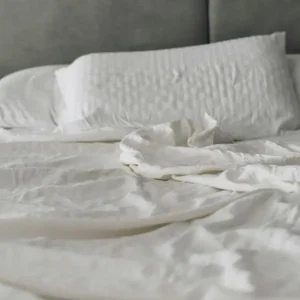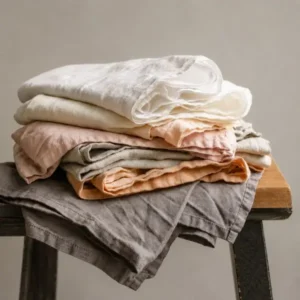
The sheets you choose do much more than complete the look of your bedroom. Every night, they stay in direct contact with your skin for hours, influencing how warm or cool you feel, how comfortably you sleep, and even how refreshed you wake up the next morning. That’s why many people searching for the best natural fabrics for bed sheets start with a simple question: what makes natural fibers different?
Unlike many synthetic materials, natural fabrics work with your body instead of against it. Their fibers allow air to circulate more freely, help manage moisture, and often become even more comfortable over time. While each material has its own unique qualities, the best natural fabrics for bed sheets share one important advantage: they help you sleep more comfortably, night after night.
You don’t need to become an expert in textiles to choose the right bedding. Understanding a few key differences is enough to help you find the fabric that best suits your sleeping habits, the climate where you live, and the amount of care you’re willing to give your bedding.
Natural Fibers Help Regulate Temperature
One of the biggest reasons natural bedding feels different is the way it responds to heat and moisture throughout the night. Instead of trapping warmth close to your body, natural fibers allow air to circulate more freely, helping create a sleeping environment that feels fresher and more comfortable.
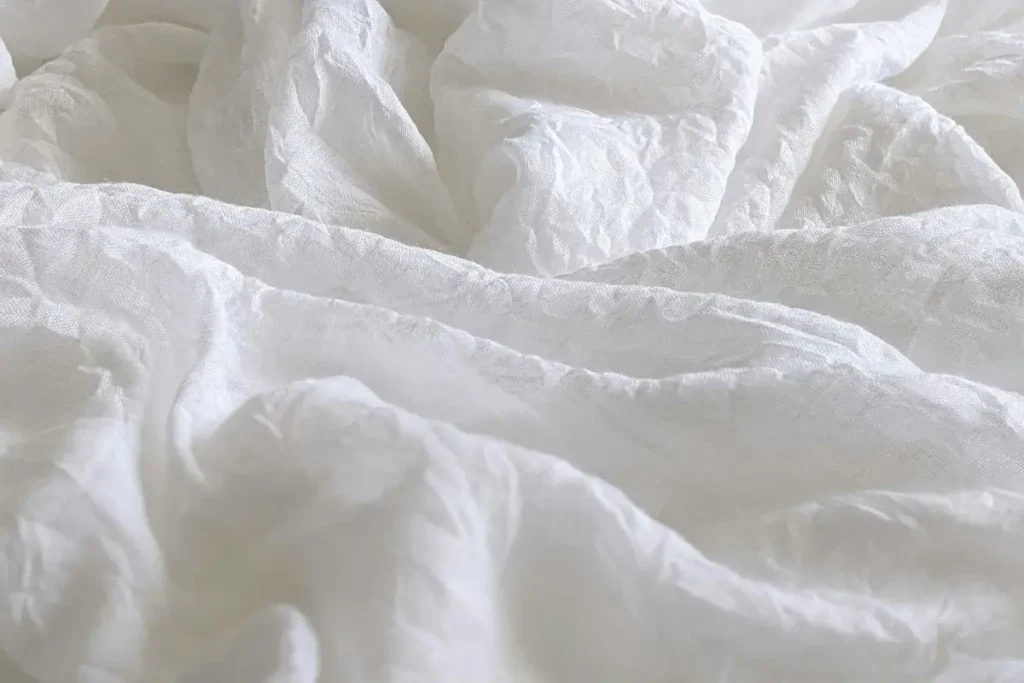
Why Breathability Matters
Breathability is one of the qualities that makes natural fabrics so comfortable to sleep on. As air moves more easily through the fibers, excess heat and moisture can escape instead of remaining trapped against your skin. As a result, you can enjoy a sleeping environment that feels fresher and more comfortable throughout the night.
Along with better airflow comes another important benefit: moisture management. Throughout the night, your body naturally releases heat and perspiration, even if you don’t notice it. Natural fibers absorb and release that moisture differently, which is why linen, cotton, hemp, bamboo lyocell, and silk each create their own unique sleeping experience.
Understanding these differences is the first step toward choosing bedding that matches your personal comfort, whether you prefer a cooler feel, exceptional softness, long-lasting durability, or a balance of all three.
Finding the Natural Fabric That Fits You Best
Now that you know what makes natural fibers different, the next step is understanding how each one feels in everyday use. While the best natural fabrics for bed sheets all offer excellent breathability and comfort, each fabric has its own strengths. Some stay cooler throughout the night, others feel exceptionally soft from the very first use, while some are known for their durability and long lifespan.
The best choice depends on what matters most to you. Some people sleep better on cooler fabrics, while others value exceptional softness, long-lasting durability, or a balance of all three.
The following comparison will help you understand what each natural fabric does best, making it easier to choose bedding you’ll enjoy for years to come.
Linen: Ideal for Cool, Breathable Comfort
If you tend to sleep warm, linen is often one of the best natural fabrics for bed sheets. Its flax fibers allow excellent airflow and help release heat and moisture efficiently, creating a cooler sleeping environment throughout the night.
Linen also becomes softer over time without losing its strength. Rather than wearing out with frequent use, it gradually develops a more relaxed texture while maintaining its durability. If you value long-lasting bedding and don’t mind a slightly crisp feel when it’s new, linen is an excellent investment.
Before You Buy
Look for linen sheets between 160 and 190 GSM. This weight offers an excellent balance of breathability, softness, and durability for everyday comfort.
Cotton: Soft Comfort from the First Night
If immediate softness is what you’re looking for, cotton is one of the best natural fabrics for bed sheets. Unlike linen, which gradually becomes softer over time, cotton feels comfortable from the very first night. Its naturally soft texture, excellent breathability, and versatility make it one of the most popular choices for everyday bedding.
Cotton is also easy to care for and available in a variety of weaves, allowing you to choose the feel that best suits your personal preferences. Whether you prefer crisp, cool sheets or a smoother, silkier finish, there’s a cotton weave designed to match the way you sleep.

Before You Buy
Choose long-staple cotton such as Egyptian or Supima cotton for superior softness and durability. If you enjoy a crisp, breathable feel, look for percale sheets between 200 and 300 thread count. For a smoother, silkier touch, 300 to 400 thread count sateen is an excellent choice. Remember that a higher thread count doesn’t always mean better sheets—high-quality fibers make a much bigger difference in long-term comfort.
Bamboo Lyocell: Naturally Smooth and Gentle
If a silky-soft feel is what matters most to you, bamboo lyocell is well worth considering. It has a naturally smooth texture that’s often compared to silk, while still offering the breathability and moisture management expected from high-quality natural bedding.
Another advantage is its ability to wick moisture away from the body, helping you stay dry and comfortable throughout the night. This makes bamboo lyocell a popular choice for warm sleepers, people with sensitive skin, or anyone looking for bedding that feels exceptionally soft without sacrificing breathability.
Before You Buy
Look for 100% bamboo lyocell rather than bamboo viscose blends if softness, breathability, and long-term performance are your priorities.
Hemp: Built for Long-Lasting Comfort
If durability is at the top of your list, hemp is one of the best natural fabrics for bed sheets to consider. Its fibers are naturally strong and highly breathable, creating bedding that stands up well to everyday use while remaining comfortable throughout the seasons.
Like linen, hemp becomes softer over time without losing its strength. While it may feel slightly textured when new, regular washing and use gradually transform it into a softer, more relaxed fabric. For anyone looking for bedding that’s both durable and naturally breathable, hemp is an excellent long-term choice.
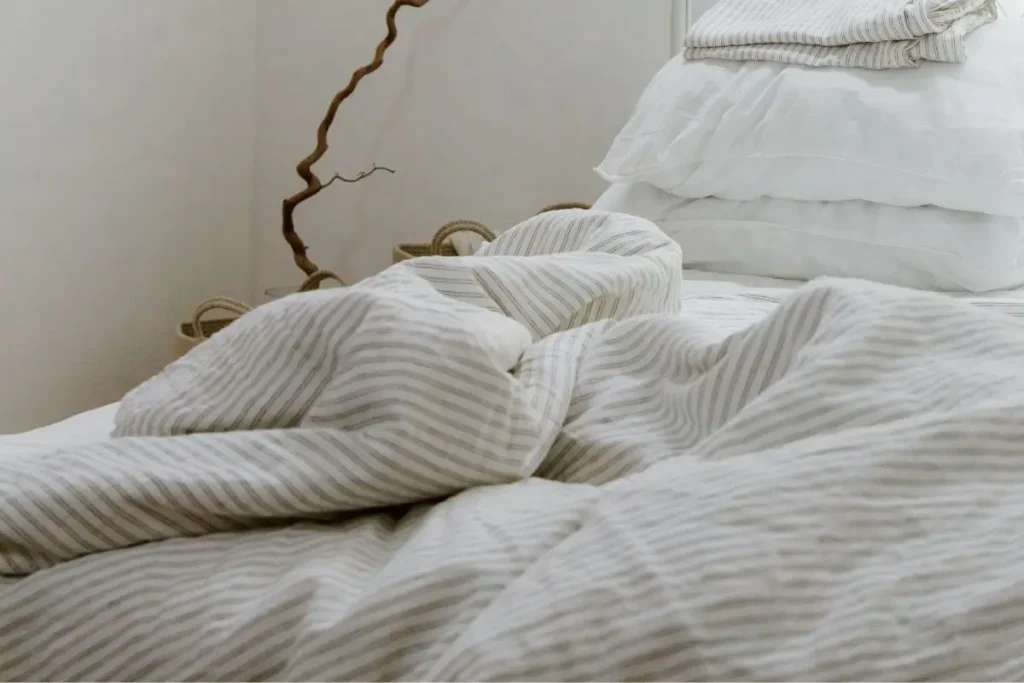
Before You Buy
Look for hemp sheets between 160 and 200 GSM. This range offers an excellent balance of durability, breathability, and everyday comfort while becoming softer over time.
Silk: Naturally Luxurious and Exceptionally Smooth
If your priority is an exceptionally smooth and lightweight feel, silk offers a sleeping experience unlike any other natural fabric. Its fine fibers glide gently against the skin, creating a luxurious sensation that’s especially appreciated by people who value softness and elegance.
Silk also helps regulate temperature surprisingly well, keeping you comfortable in both warmer and cooler seasons. While it requires more delicate care than other options, many people consider it one of the best natural fabrics for bed sheets when softness, natural beauty, and premium comfort are their highest priorities.
Before You Buy
Choose silk sheets between 19 and 25 momme. This weight provides an excellent balance of softness, durability, and long-lasting comfort.
Choosing the Best Natural Fabric for Your Needs
After exploring the best natural fabrics for bed sheets, you may have noticed that there isn’t a single fabric that’s perfect for everyone. The right choice depends on what helps you sleep more comfortably and what you value most in your bedding.
If staying cool throughout the night is your priority, linen and hemp are excellent options. If immediate softness is what you’re looking for, cotton offers familiar comfort, while bamboo lyocell provides an exceptionally smooth feel. If you appreciate natural luxury and don’t mind washing your sheets on a gentle cycle or by hand and avoiding high heat when drying, silk offers a truly unique sleeping experience.
The good news is that all the best natural fabrics for bed sheets featured in this guide offer comfort, breathability, and long-lasting quality. By understanding how each one performs, you can choose your bedding with confidence, knowing it matches your sleeping habits, personal preferences, and the kind of comfort you want to enjoy night after night.