A Quiet Lesson from Stoic Philosophy
Not everything becomes better immediately. The Stoics understood that some things require time, consistency, and acceptance of the natural process. Linen offers a simple reminder: softness can be developed without forcing it.
The first time you touch new linen sheets, their texture may be different from what you expected. Rather than feeling exceptionally soft, linen naturally has a crisp, structured feel that reflects the unique qualities of flax fibers.
If you’re wondering how to soften linen sheets, it’s helpful to know that this initial texture is completely normal. Instead of becoming soft overnight, linen gradually develops its softer, more comfortable feel through regular use and proper care.
In this guide, you’ll discover how to soften linen sheets naturally and the simple care habits that help them become softer while preserving their beauty and durability for years to come.
Helping Linen Sheets Become Softer Naturally
Linen becomes softer gradually as its natural flax fibers relax through gentle washing, proper care, and regular use. Unlike many fabrics that are chemically softened during manufacturing, linen develops its comfortable feel over time while maintaining the strength and durability that make it such a popular choice for bedding.
According to the Alliance for European Flax-Linen & Hemp, flax is valued for its exceptional durability, breathability, and long lifespan. With proper care, linen naturally becomes softer over time while preserving the qualities that make it one of the most durable natural fibers for bedding.
Rather than looking for a quick solution, focus on simple care habits that support this natural process. Small adjustments to your laundry routine can help the fibers relax more easily, allowing your linen sheets to become noticeably softer with every wash without compromising their quality.
Understanding how to soften linen sheets doesn’t require complicated routines. Once the washing is done, the way you dry your linen sheets also plays an important role in developing that naturally softer feel.
A Simple Laundry Trick That Can Help
If your linen sheets feel a little rougher than usual, an occasional deep refresh may help. Add ½ cup of baking soda directly to the washing drum at the beginning of the cycle, then pour ½ cup of distilled white vinegar into the fabric softener compartment so it’s released during the final rinse. Skip the fabric softener, as it can coat the natural flax fibers instead of allowing them to soften naturally.
These ingredients don’t soften linen instantly. Instead, they help remove detergent residue that can leave the fibers feeling stiff. Once the fabric is clean, the flax fibers can relax more naturally, supporting the gradual softening process that makes linen so comfortable over time.
Drying Linen the Right Way Helps It Stay Soft
Once your linen sheets are clean, proper drying becomes the next step in helping them develop a softer feel. Whether you prefer air drying or using a tumble dryer, avoiding excessive heat helps protect the flax fibers and encourages the natural softening process over time.

Air Drying Is the Gentlest Option
Fresh air is one of the best allies for linen sheets. Air drying is one of the simplest ways to support how to soften linen sheets naturally because it protects the flax fibers from unnecessary heat. As soon as the wash cycle finishes, give your linen sheets a gentle shake before hanging them to help smooth out deep wrinkles. Then, let them dry in a well-ventilated area where air can circulate freely around the fabric.
Giving your sheets a gentle shake before hanging them does more than reduce wrinkles. It also helps the fabric settle into a more natural shape, allowing air to circulate more evenly as the linen dries. Many people find that this simple step reduces the need for ironing while preserving linen’s relaxed, effortless appearance.
If you’re drying your sheets outdoors, choose a shaded spot or an area with bright, indirect light whenever possible. Although linen can tolerate some sunlight, prolonged exposure to strong direct sun may leave the fibers feeling drier over time. Drying naturally in the shade helps preserve the fabric’s softness while extending its lifespan.
A Tumble Dryer Can Be a Good Option
If you prefer using a tumble dryer, choose a low-heat setting to protect the flax fibers. Remove the sheets while they’re still slightly damp and allow the remaining moisture to evaporate before folding them or putting them back on the bed.
This simple habit helps reduce wrinkles, prevents overdrying, and allows the flax fibers to continue relaxing naturally with every wash.
Ironing Linen Sheets Is Entirely Optional
As you continue learning how to soften linen sheets, you’ll discover that ironing linen sheets is entirely optional. One of the qualities that makes linen sheets so appealing is their naturally relaxed appearance. Unlike fabrics that are expected to look perfectly smooth, linen embraces gentle creases as part of its timeless charm. For this reason, many people choose not to iron their linen sheets at all.
If you prefer a neater look, ironing is easiest while the sheets are still slightly damp. Use a medium-heat setting or steam to smooth wrinkles without exposing the flax fibers to unnecessary heat. This gentle approach helps preserve the fabric’s natural texture while creating a cleaner, more refined finish.
Even without ironing, simply smoothing the sheets by hand as you make the bed is often enough. After a night’s sleep, linen naturally settles into its soft, lived-in appearance—a quality that many people appreciate as part of its effortless beauty.
Give Linen Sheets Enough Room to Move
As you’re learning how to soften linen sheets, one simple habit is often overlooked: leaving enough space inside the washing machine. Linen sheets soften more effectively when they can move freely throughout the wash cycle, allowing water and detergent to circulate evenly around the fabric.
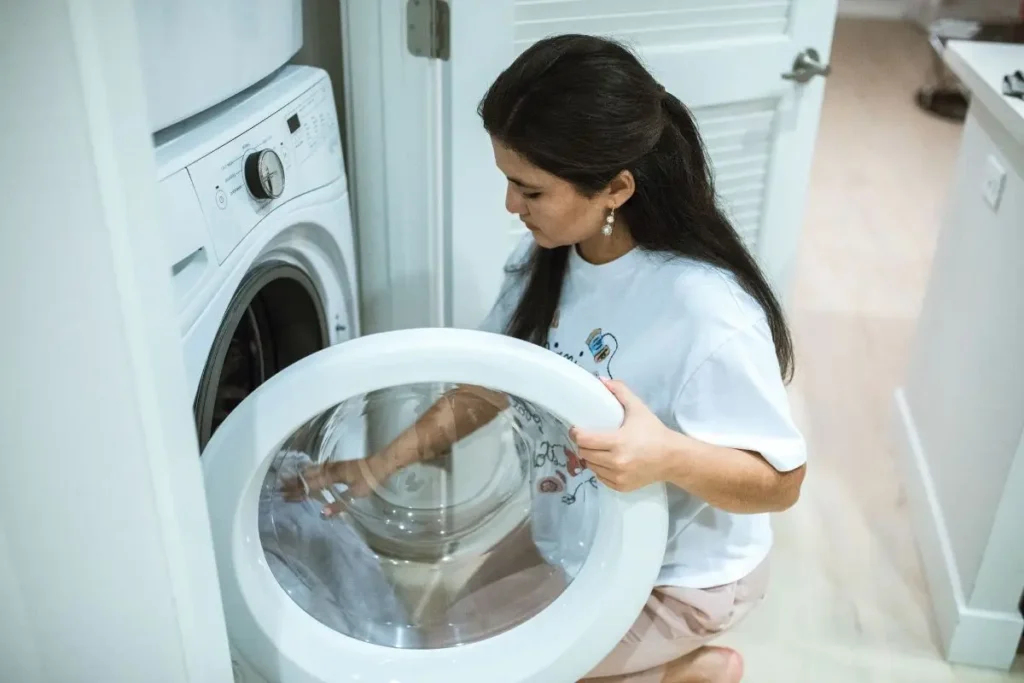
When the washing machine drum is packed with too many clothes, towels, or other laundry items, the sheets press tightly against one another instead of moving freely with the water. This creates unnecessary friction, making it more difficult to rinse away detergent residue and preventing the flax fibers from relaxing as naturally as they should. Giving your linen sheets enough room to move during every wash supports the gradual softening process while helping preserve their texture and long-term durability.
Knowing When to Wash Your Linen Sheets
Rather than washing more often, focus on washing gently and consistently. Over time, this simple routine helps preserve the strength of the flax fibers while allowing their characteristic softness to develop naturally.
Finding the Right Balance
For most households, washing linen sheets every one to two weeks is enough to keep them clean while supporting the natural softening process. If you sweat heavily during the night, have allergies, or share your bed with pets, washing them once a week may be the better choice.
Rather than focusing on washing more frequently, focus on washing gently and consistently. With proper care, each wash helps the flax fibers become more flexible, allowing your linen sheets to develop the soft, comfortable feel they’re known for.
A Quiet Lesson from Philosophy
There is something deeply philosophical about caring for what we already have. Instead of constantly replacing things, we can learn to appreciate how good materials change, mature, and become more beautiful with time.
Frequently Asked Questions About Softening Linen Sheets
How Long Does It Take for Linen Sheets to Become Soft?
If you’re wondering how to soften linen sheets, you’ll usually notice a difference after the first few washes. As the flax fibers gradually relax with regular use and proper care, linen continues to become softer over time while maintaining its natural strength and breathability.
Can You Use Fabric Softener on Linen Sheets?
No. It’s best to avoid fabric softeners, including natural alternatives. They can leave a residue on the flax fibers that reduces linen’s natural breathability. A mild detergent and regular gentle washing are all linen needs to become softer over time.
Why Do New Linen Sheets Feel Stiff?
New linen sheets often feel crisp because flax fibers naturally contain pectin, a plant-based substance that gives the fabric structure. As the sheets are washed and used regularly, the fibers gradually relax, creating the softer texture that linen is known for.
Will Linen Sheets Shrink After Washing?
A small amount of shrinkage can happen during the first wash, especially if the linen wasn’t pre-washed by the manufacturer. Following the care instructions, washing with cool or lukewarm water, and avoiding high heat helps minimize shrinkage.
What’s the Best Detergent for Linen Sheets?
A mild liquid detergent designed for delicate or natural fabrics is usually the best choice. Harsh detergents, chlorine bleach, and products with strong whitening agents can be too aggressive for flax fibers and may reduce the fabric’s lifespan over time.
Can You Put Linen Sheets in the Dryer?
Yes, as long as you use a low-heat setting. Removing the sheets while they’re still slightly damp and allowing them to finish air drying helps minimize wrinkles and protects the flax fibers from excessive heat.
Looking for more linen care tips? Learn how to wash linen sheets properly with our complete care guide.