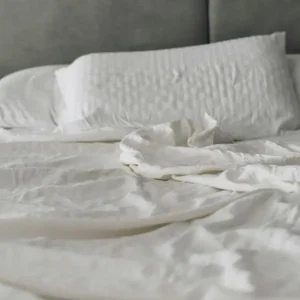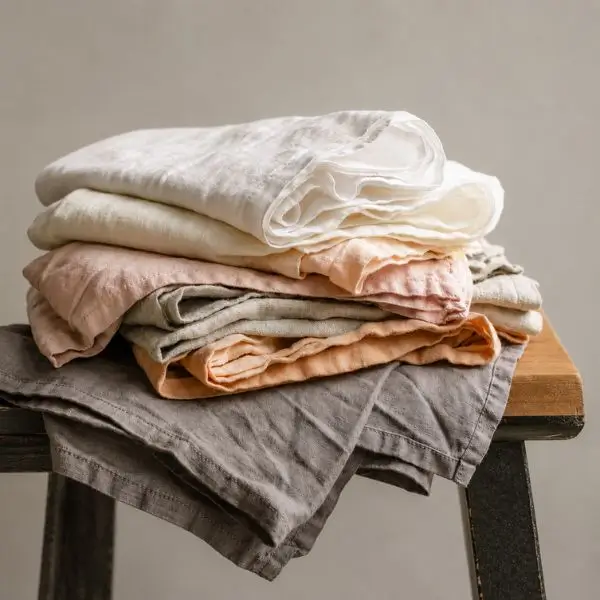
Linen sheets are prized for their comfort, breathability, and timeless beauty. Unlike many bedding materials, linen becomes softer with every wash while maintaining the durability of natural flax fibers.
Because linen bedding is an investment, many people worry about shrinking, fading, or damaging the fabric during washing. Fortunately, caring for linen is simple once you understand how to wash linen sheets correctly.
Mastering how to wash linen sheets without damaging them is more than a household chore—it is an exercise in mindfulness. Embracing the classic philosophy of appreciating authentic, enduring elements instead of choosing fast, disposable trends turns fabric care into an intentional ritual of everyday well-being and presence.
Using the right water temperature, detergent, wash cycle, and drying method can help preserve the texture, softness, and durability of your linen sheets for years.
Why Linen Sheets Need Special Care
Choosing hypoallergenic natural fibers like linen aligns our living spaces with the ancient philosophy of Eudaimonia—the pursuit of human flourishing through harmony with the natural world. The gentle, tactile invitation of premium flax fibers encourages a more peaceful atmosphere, creating the quiet environment needed for restorative rest. When our home supports this sense of daily balance, it naturally provides the clarity needed for a more purposeful and intentional life.
Linen is one of the most durable natural fabrics, but proper care helps preserve its appearance and performance. The Alliance for European Flax-Linen & Hemp notes that flax is valued for its durability, breathability, and long lifespan.
Unlike synthetic fabrics, linen responds differently to heat, detergents, and drying methods. With proper care, the fibers gradually become softer without losing their natural strength.
What Makes Linen Different From Cotton
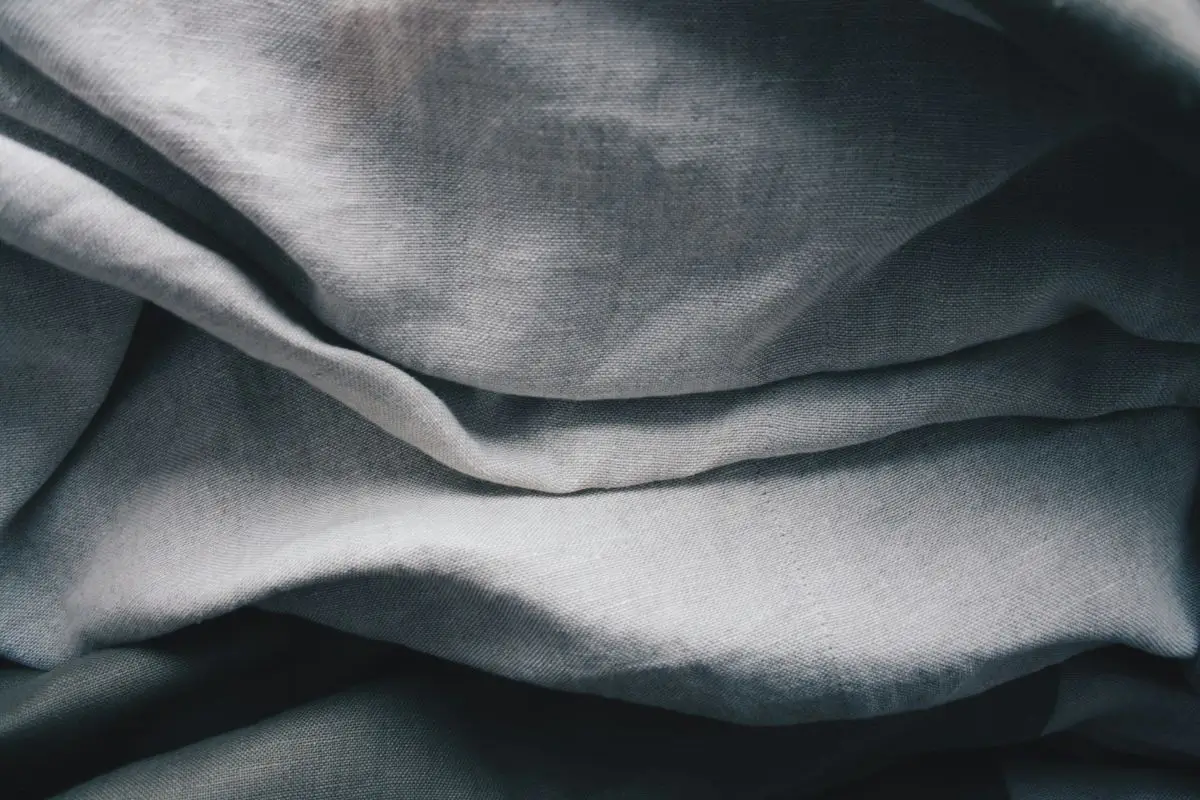
Both linen and cotton are natural fibers, but they have different characteristics. Cotton generally feels soft from the beginning, while linen may feel slightly crisp at first and becomes softer with repeated washing.
Linen fibers are naturally strong, breathable, and effective at managing moisture. However, excessive heat and harsh cleaning products can gradually weaken the fibers.
Common Washing Mistakes That Damage Linen
The most common problems come from everyday laundry habits. Hot water, too much detergent, overloaded machines, and high-heat drying can increase wear and affect the fabric’s softness.
A gentle washing routine is usually enough to keep linen sheets clean, comfortable, and durable.
Before You Wash Your Linen Sheets
A few simple preparation steps can protect the fabric and reduce unnecessary wear.
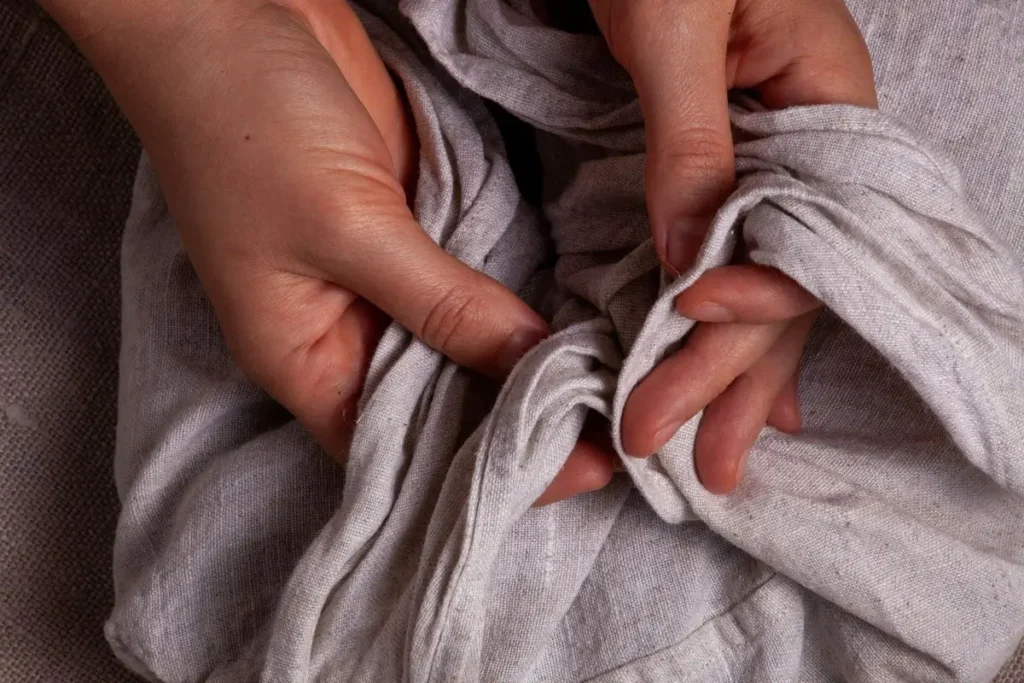
Check the care label. Always follow the manufacturer’s instructions, especially for water temperature and drying. Linen finishes and weaving techniques can vary between brands.
Treat stains before washing. Blot stains gently and apply a small amount of mild liquid detergent before washing. Avoid chlorine bleach and harsh stain removers, which may damage the fibers or cause discoloration.
Separate linen from heavy fabrics. Wash linen sheets separately from towels, denim, blankets, and garments with zippers. This reduces friction and gives the bedding enough room to move freely.
Step-by-Step: How to Wash Linen Sheets
Once your sheets are prepared, washing them is straightforward. The right temperature, detergent, and cycle can make a significant difference in preserving linen.
Recommended Laundry Care
Choose a mild liquid detergent designed for delicate or natural fabrics.
Our recommendation: Woolite Delicates Liquid Laundry Detergent.
We chose this product because its gentle formula is designed for delicate fabrics and is a suitable option for caring for linen sheets.
➡️ Check current price on Amazon
Step 1. Choose the Right Water Temperature
Use cool or lukewarm water unless the care label recommends otherwise. Hot water can increase shrinkage, fade colors, and contribute to fiber damage over time.
Step 2. Use a Mild Detergent
Choose a gentle liquid detergent and use only the recommended amount. Avoid chlorine bleach, strong whitening agents, and excessive detergent, which can leave residue or weaken the fibers.
Step 3. Select a Gentle Wash Cycle
Use the delicate or gentle cycle to minimize unnecessary agitation. Heavy-duty cycles can create excess friction and accelerate wear.
Step 4. Avoid Overloading the Machine
Wash linen sheets as a complete set or with other lightweight linen bedding. Give the fabric enough room to move freely during the wash.
How to Dry Linen Sheets the Right Way
Proper drying is just as important as washing. Excessive heat can weaken natural flax fibers, while gentle drying helps maintain linen’s softness and breathable texture.
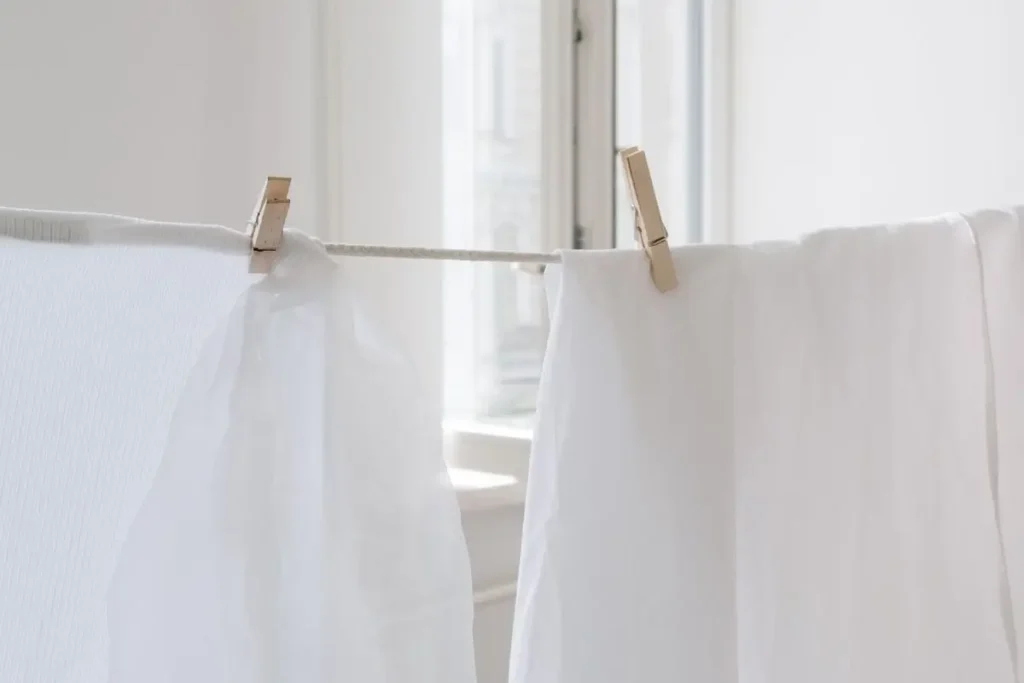
Air Drying vs. Tumble Drying
Air drying is an excellent option for linen sheets. Hang them outdoors in a shaded, well-ventilated area or indoors near an open window. Give the sheets a gentle shake before hanging to help release wrinkles.
If you use a tumble dryer, choose a low-heat setting and remove the sheets while they are still slightly damp. Allowing them to finish drying naturally helps reduce wrinkles and unnecessary heat exposure.
Should You Use Fabric Softener?
Fabric softener is generally unnecessary for linen sheets. Flax fibers naturally become softer with proper washing, while fabric softeners can leave a coating on the fibers and affect their breathability and moisture management.
Instead, let the linen soften naturally through regular care.
If you’d like to learn more about this process, read our complete guide on how to soften linen sheets, where we explain why linen becomes softer over time and which care habits help preserve its comfort.
Keep Your Linen Sheets Beautiful for Years
Learning how to wash linen sheets correctly is ultimately about protecting the qualities that make linen so appealing.
Cool or lukewarm water, a mild detergent, a gentle wash cycle, and low-heat or air drying are simple habits that can help preserve the fabric’s strength and softness.
You don’t need to eliminate every wrinkle. The relaxed texture is part of linen’s natural character and timeless appeal. With consistent care, your sheets can become softer and more comfortable with every wash.
Ultimately, learning the best way to care for your home reflects a deeper appreciation for the space you inhabit. Honoring your personal sanctuary fosters an enduring atmosphere of order, quiet comfort, and timeless beauty. By tending to your immediate environment with thoughtful intention, you naturally cultivate a sense of inner peace. A well-curated home not only serves your daily need for rest but also inspires you to bring that same balance and excellence into the world, gently welcoming true fulfillment and abundance into every area of life.
FAQ About Linen Care
Can you wash luxury linen sheets in a washing machine?
Premium linen sheets can be safely washed in a washing machine. The key is to select a gentle or delicate cycle with cool or lukewarm water. This softer mechanical rhythm prevents unnecessary friction and preserves the natural strength of the flax fibers for years.
Does natural linen shrink after washing?
Natural linen may experience slight initial shrinkage after its first wash, which is a normal characteristic of pure flax fibers. To minimize this and maintain the original fit of your bedding, always avoid hot water and high-heat drying, opting for air-drying or low-heat cycles instead.
Is it safe to put high-quality linen bedding in the dryer?
Yes, but it requires a thoughtful touch. If you choose to use a tumble dryer, select the lowest heat setting and remove the sheets while they are still slightly damp. Allowing them to finish drying naturally near an open window keeps the fibers resilient and beautifully textured.